
The Ones Who Transform the Weather
Jul 23, 2026
story
Seeking
Encouragement


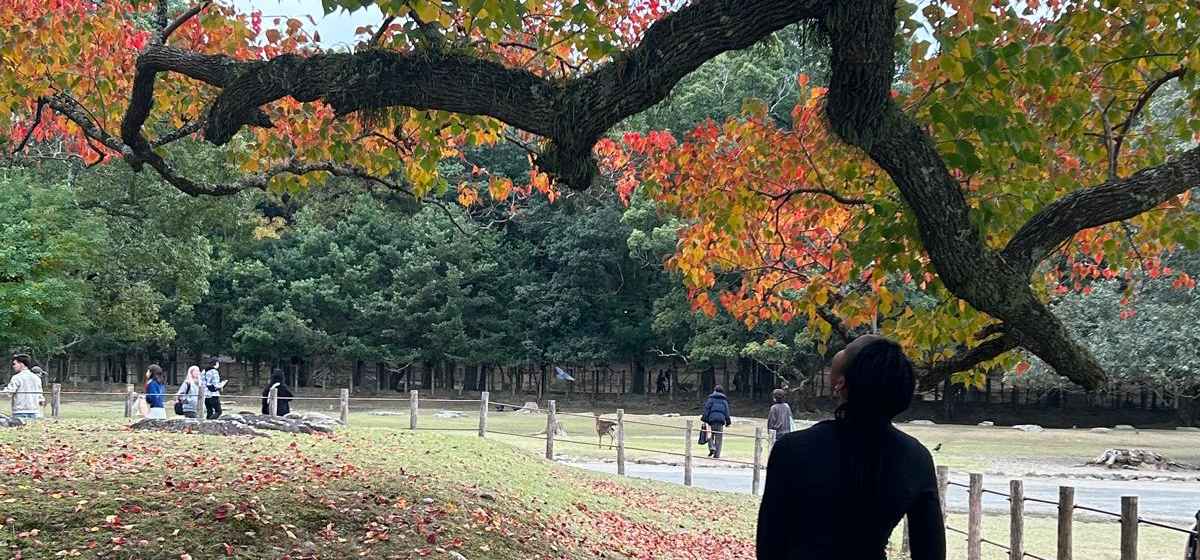
There is a popular saying that leaders bring the weather. I would argue that subordinates transform it.
Leadership occupies a privileged place in our imagination. We write books about becoming better leaders, attend conferences on leading with purpose, and celebrate those who inspire organizations to greatness. We are taught how to communicate vision, influence others, and leave a legacy.
Far less is said about the discipline of following.
Yet most people will spend far more of their working lives under someone's authority than exercising authority themselves. They will report to managers whose personalities shape their days, whose decisions affect their opportunities, and whose leadership—good or bad—becomes the climate in which they work.
The discipline of following deserves as much attention as the discipline of leading.
An exceptional subordinate is not merely obedient. They possess the judgment to navigate disagreement without becoming divisive, correction without becoming defensive, and expectations without surrendering their own integrity.
Subordination is often mistaken for passivity. In reality, it demands a remarkable form of strength because every day, subordinates navigate a landscape they did not create. They work within expectations established by someone else's decisions, priorities, leadership style, and personality. Their role is not simply to complete tasks but to translate those expectations into consistent action, often with incomplete information and changing circumstances.
That navigation rarely receives recognition. Much of a subordinate's work consists not in deciding where the organization should go, but in continually adapting themselves to help it get there.
A good subordinate is expected to exercise initiative without overstepping, independence without becoming uncooperative, honesty without appearing confrontational, confidence without arrogance, and loyalty without abandoning personal integrity. They must constantly judge when to take initiative, when support is needed, when disagreement is valuable, and when unity becomes more important than winning an argument.
None of these judgments are mechanical. Each requires discernment and that quiet discipline appears in countless ordinary moments. Employees receive criticism without allowing pride to overpower professionalism. They continue producing excellent work after disappointments. They implement decisions they privately questioned because the organization has chosen a direction. They train colleagues who may one day become their managers. They protect the reputation of a company even while carrying frustrations no one else sees.
They also give more than their job descriptions can easily measure; patience, emotional restraint, flexibility, and trust. They absorb frustration from customers they did not disappoint, explain decisions they did not make, and carry responsibility without always possessing the authority to change what caused the problem.
When these acts become routine, they are easily mistaken for ordinary. They are anything but.
Organizations are not shaped by leadership alone. They are shaped by countless moments in which subordinates choose professionalism over resentment, stability over reaction, and responsibility over recognition. It is through those ordinary decisions that the culture of an organization is either strengthened or quietly undone.
Perhaps this becomes most visible when the weather changes.
A manager arrives after a difficult meeting, frustrated by pressures invisible to everyone else. The atmosphere shifts. Conversations become shorter. Tension settles over the office.
The weather has changed.
One employee responds with sarcasm. Another withdraws. A third begins complaining to colleagues. Before long, frustration spreads further than the original mood ever could.
But another employee chooses differently.
They remain steady with clients.
They reassure a new colleague who has become anxious.
They refuse to fuel gossip. They answer respectfully, continue producing quality work, and quietly preserve stability where instability might otherwise have spread.
The weather remains difficult.
Its effects have been transformed.
Leadership does not remove humanity; it magnifies its effects. Managers bring their strengths, fears, ambitions, insecurities, and limitations into every decision they make. Some lead with humility, wisdom, fairness, and emotional intelligence. Others lead through control, inconsistency, or criticism. Most occupy the complicated space somewhere between the two.
The subordinate cannot choose the weather they inherit. They can, however, choose whether to amplify it or transform it.
It requires humility when correction feels unfair. Emotional maturity when recognition never comes. Restraint when retaliation feels justified. Forgiveness when disappointment becomes familiar. It asks people to separate their identity from every disagreement and to continue behaving with integrity even when others fail to do the same.
Of course, resilience has its limits. Not every workplace deserves endless perseverance.
Some employees leave organizations carrying far more than a final payslip. They leave with diminished confidence, fractured self-worth, and the quiet belief that nothing they did was ever enough. Remaining is not always the courageous choice. Sometimes courage means walking away before prolonged imbalance between authority and empathy slowly erodes the person beneath the employee.
Healthy organizations understand this.
They recognize that authority is not a privilege to enjoy but a responsibility to exercise carefully. They invest in people through honest feedback, encouragement, accountability, and opportunities to grow. They understand that employees are not resources to be managed but individuals whose character and confidence are continually shaped by the environments in which they work.
Organizations rightly celebrate extraordinary leaders.
But every extraordinary leader depends upon people willing to execute the vision, carry responsibility, solve unexpected problems, steady uncertain moments, and continue showing up long after applause has faded.
Managers bring the weather.
Subordinates transform it.
- Leadership
- Global