
LEADERSHIP IS NOT ALWAYS INSPIRING. SOMETIMES IT IS LONELY
Jul 21, 2026
story
Seeking
Encouragement


.
No one talks enough about what happens after the promotion, after the title, after the responsibility increases. They talk about influence and impact, but they rarely talk about the quiet emotional weight that comes when you realize not everyone on your team likes you. The room feels different. Conversations feel shorter. Engagement drops slightly. And suddenly you begin questioning whether the tension is about your decisions or about you.
That moment can shake even strong leaders.
Not because they are weak. Not because they lack competence. But because leadership is deeply human. When approval shifts, it touches something personal. You may start replaying meetings in your mind. You may second guess your tone. You may wonder if enforcing standards is slowly costing you respect. The emotional pressure builds quietly, and if it is not addressed, it begins to affect how you lead.
Here is the truth most leadership books avoid. If you lead long enough, someone will not like you. Influence creates friction. Authority exposes insecurity. Standards make people uncomfortable. Change threatens comfort. The tension you feel is often structural, not personal. Yet without clarity, it feels deeply personal.
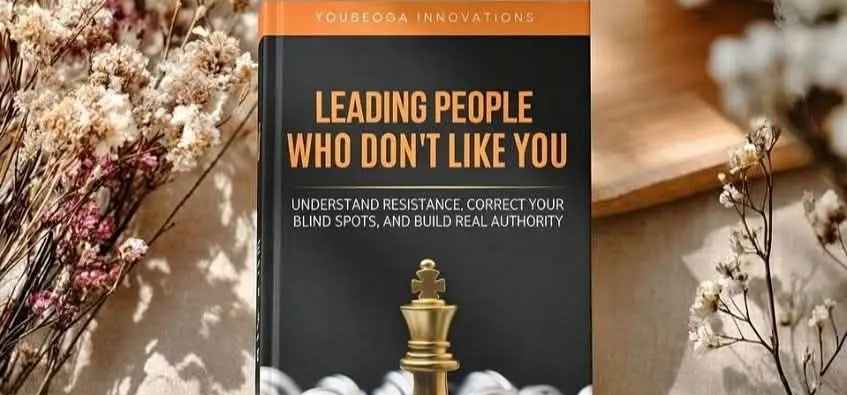
Leading People Who Do Not Like You was written for leaders who are tired of being emotionally destabilized by resistance. It is for those who want to hold standards without losing sleep. It is for those who want to lead with strength without becoming harsh. It is for those who are ready to stop chasing approval and start building steady authority.
Inside this book, you will first understand why dislike happens in leadership. You will learn how hierarchy triggers comparison, how accountability exposes vulnerability, and how autonomy feels threatened under direction. You will stop assuming every sign of tension is a verdict on your worth.
Then you will turn inward with discipline. You will examine blind spots honestly. Inconsistency. Emotional volatility under pressure. Mixed messaging. Favoritism. Poor listening. You will learn how to evaluate yourself without ego and without shame. Because sometimes resistance is structural, and sometimes it is influenced by behavior that can be strengthened.
From there, the transformation becomes practical. You will learn how to regulate your emotions so tension does not dictate your tone. You will learn how to communicate with calm authority instead of defensiveness. You will understand how to handle open resistance without humiliation and without fear. You will see how consistent behavior rebuilds credibility more effectively than endless explanations.
Most importantly, you will build an identity that does not collapse when approval fades. You will stop measuring your leadership by how liked you are. You will measure it by clarity, consistency, and integrity. You will learn how to protect culture when necessary, how to make difficult decisions with composure, and how to maintain internal peace even when external tension exists.
This is not a book about manipulation. It is not about becoming emotionally detached. It is not about forcing loyalty. It is about becoming steady. It is about understanding the psychology behind resistance and mastering your own response to it.
By the end, you will no longer fear the quiet shift in the room. You will no longer interpret every disagreement as rejection. You will no longer soften standards just to maintain approval. You will understand that leadership requires courage, and courage requires emotional stability.
You do not need everyone to like you. You need clarity. You need courage. You need calm strength. You need consistent integrity.
That is steady leadership power.
If you are ready to lead without being shaken by resistance, this book is your next step.
Youbeoga Innovations
- Human Rights
- Education
- Girl Power
- Leadership
- Shout Your Vision
- Moments of Hope
- Africa