
Hygiene Is a Right: My Journey as a Volunteer Advocating for a Healthier Bangladesh
Jul 26, 2026
initiative
Seeking
Encouragement
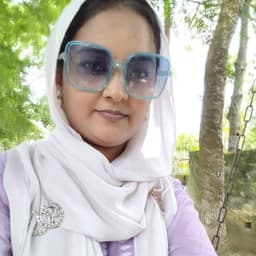

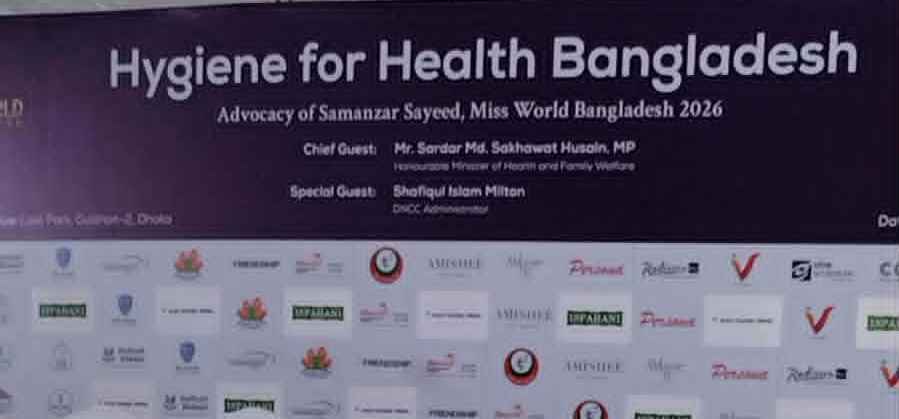
Photo Credit: Me
Proud to be part of the Hygiene for Health Bangladesh advocacy campaign.
Health is not only about hospitals, medicines, or medical treatment. It also begins with something much simpler: hygiene.
The way we wash our hands, drink water, prepare food, maintain personal cleanliness, manage menstruation, and care for our surroundings can have a profound impact on our health and well-being. Yet, for many people in Bangladesh, access to proper hygiene knowledge and safe practices remains a challenge.
This is why I am proud to be working as a volunteer with Hygiene for Health Bangladesh, a national advocacy campaign focused on promoting awareness about hygiene and healthy living.
My journey as a volunteer has given me a deeper understanding of how everyday actions can contribute to preventing illness and protecting communities. It has also reminded me that creating meaningful change does not always begin with large institutions. Sometimes, it begins with one conversation, one awareness campaign, one workshop, or one person deciding to share what they know with others.
Why Hygiene Matters
Hygiene is often treated as a personal responsibility, but it is also a community health issue.
Poor hygiene can contribute to the spread of preventable diseases. Unsafe water, inadequate sanitation, improper food handling, poor handwashing practices, and lack of menstrual hygiene awareness can affect people of all ages. Children are particularly vulnerable, while women and girls often face additional challenges related to menstrual health and access to safe and private facilities.
The Hygiene for Health Bangladesh campaign highlights seven important areas of hygiene: personal hygiene, hand hygiene, food hygiene, water hygiene, oral hygiene, menstrual hygiene, and environmental hygiene.
Each of these areas is connected to our daily lives.
A simple habit like washing hands with soap at the right time can help prevent the spread of disease. Drinking safe water can protect families from waterborne illnesses. Proper food hygiene can reduce the risk of foodborne disease. Good menstrual hygiene can help women and girls manage their periods with dignity and confidence. Keeping our homes, schools, and communities clean can contribute to a healthier environment for everyone.
These may seem like small actions, but collectively, they can create a significant impact.
My Role as a Volunteer
As a volunteer, I believe my role is not only to participate in activities but also to become a voice for awareness.
Through this campaign, I want to contribute to creating conversations about hygiene that reach beyond a single event. Awareness should begin in our homes and communities and extend to schools, workplaces, and public spaces.
I believe that community outreach and awareness campaigns can play an important role in encouraging people to adopt healthier practices. We need to make hygiene education simple, accessible, and inclusive so that everyone—regardless of age, gender, or social background—can understand its importance.
For me, volunteering is about being part of that change.
It is about encouraging people to ask questions, challenge harmful misconceptions, and understand that good hygiene is not a luxury. It is an essential part of a healthy and dignified life.
Women and Girls Must Be Part of the Conversation
As a woman involved in community and women's empowerment initiatives, I am particularly passionate about menstrual hygiene and women's health.
Many girls grow up without receiving accurate and supportive information about menstruation. Social stigma and misinformation can make it difficult for them to talk openly about their needs. In some communities, women and girls may also face challenges accessing affordable menstrual products, clean water, sanitation facilities, and private spaces.
We cannot build a healthy society while ignoring these realities.
Menstrual hygiene education should be part of broader health education. Girls should be able to manage their periods safely and confidently without shame. Women should have access to the information and resources they need to protect their health.
I believe that empowering women with knowledge about hygiene is also a form of empowerment.
From Awareness to Action
One of the most important lessons I have learned through advocacy is that awareness alone is not enough. We must turn awareness into action.
We need more community-based hygiene education. We need schools where children can learn healthy habits from an early age. We need awareness campaigns that reach underserved communities. We need women, young people, teachers, parents, community leaders, and volunteers to work together.
We also need to recognize that people cannot always practice good hygiene simply because they have been told to do so. Access matters.
https://web.facebook.com/share/v/1EY3GDz6ye/
People need safe water. They need adequate sanitation. They need affordable hygiene products. They need clean environments and reliable information.
That is why hygiene advocacy must go hand in hand with community development and public health efforts.
My Vision for a Healthier Bangladesh
My vision is a Bangladesh where hygiene awareness becomes a natural part of everyday life.
I dream of communities where children learn to wash their hands properly, families understand the importance of safe water and food, women and girls can manage menstruation with dignity, and everyone understands that protecting public health is a shared responsibility.
As a volunteer with Hygiene for Health Bangladesh, I want to continue contributing to this vision through community awareness, advocacy, and meaningful conversations.
I may be one volunteer, but I believe every individual can create a ripple of change.
A healthier Bangladesh begins with healthier communities.
And healthier communities begin with awareness, knowledge, dignity, and action.
Let us make hygiene a habit, health a priority, and awareness a movement.
- Education
- Peace & Security
- Environment
- Health
- Caring for Ourselves
- Stronger Together
- Global