
Elevating Women's Contributions in the Conflict-Affected Communities of North West Region
Jul 22, 2026
story
Seeking
Visibility

North West Women Mediators
"Peace is often built long before it is celebrated."
Long before peace conferences were convened or agreements were negotiated, countless women across the North West Region of Cameroon were quietly rebuilding the foundations of their communities. Their names may never appear in newspaper headlines, and their stories are rarely told beyond the villages they serve, yet they remain among the region's most influential peace builders.
Since the conflict began in 2016, communities across the North West Region have endured violence, displacement, disrupted education, economic hardship, and deep social divisions. Families have been separated, livelihoods destroyed, and trust eroded. Amid these challenges, women refused to surrender to fear. Instead, they emerged as mediators, caregivers, negotiators, community organizers, and champions of reconciliation.
Across many communities, women stepped forward to mediate family disputes, facilitate dialogue, support displaced families, provide psycho social care to survivors of violence, and create safe spaces for healing. Working with limited resources and often without recognition, they restored relationships, strengthened social cohesion, and nurtured resilience. These everyday acts of leadership are rarely described as peace building, yet they form the foundation upon which sustainable peace is built.
The Beginning of a Women's Peace building Movement
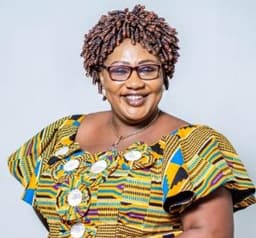
One of the defining milestones in the women's mediation and peace building movement in North West Cameroon was the leadership of Adah Atoh Muyang, Executive Director and Founder of Mother of Hope Cameroon (MOHCAM) www.mohcam.org and the WOPEN Peacebuilders Network (WOPEN). At a time when the conflict had deeply divided communities and opportunities for dialogue were extremely limited, she created space for women to become active agents of peace.
In September 2018, at the height of the crisis, Adah Atoh Muyang convened the first Women's Sit-Down Lamentation a symbolic and peaceful action that brought together women from different communities to mourn the devastating impact of the conflict while calling for dialogue, reconciliation, and an end to violence. More than an expression of grief, the event became a turning point that awakened women's collective engagement in peace building across the region.
Through MOHCAM and WOPEN, Adah Atoh Muyang has continued to champion women-led peace building initiatives across the North West Region. Over the past decade, the organizations have implemented humanitarian response, gender-responsive mediation, localization of United Nations Security Council Resolution 1325 and related resolutions, psycho social support, livelihood recovery initiatives, and leadership development for grassroots women. Their work has strengthened women's participation in peace processes, established 21 community dialogue structures, supported women's mediation networks, and promoted community resilience in conflict-affected communities.
These initiatives challenged the perception of women as passive victims of conflict and demonstrated their ability to lead dialogue, mediate disputes, advocate for peaceful solutions, and mobilize communities toward reconciliation. The movement inspired women to organize, collaborate, and participate more actively in local peace processes, laying the foundation for a growing network of women mediators and peace builders.
The emergence of the North West Women Mediators Network reflects the transformative power of women supporting women. By creating opportunities for women to lead, mentor, and amplify one another's voices, the movement has demonstrated that sustainable peace is strengthened when women stand together in solidarity. Empowering one woman creates opportunities for many others, transforming individual leadership into collective action.
A Growing Recognition of Women's Leadership
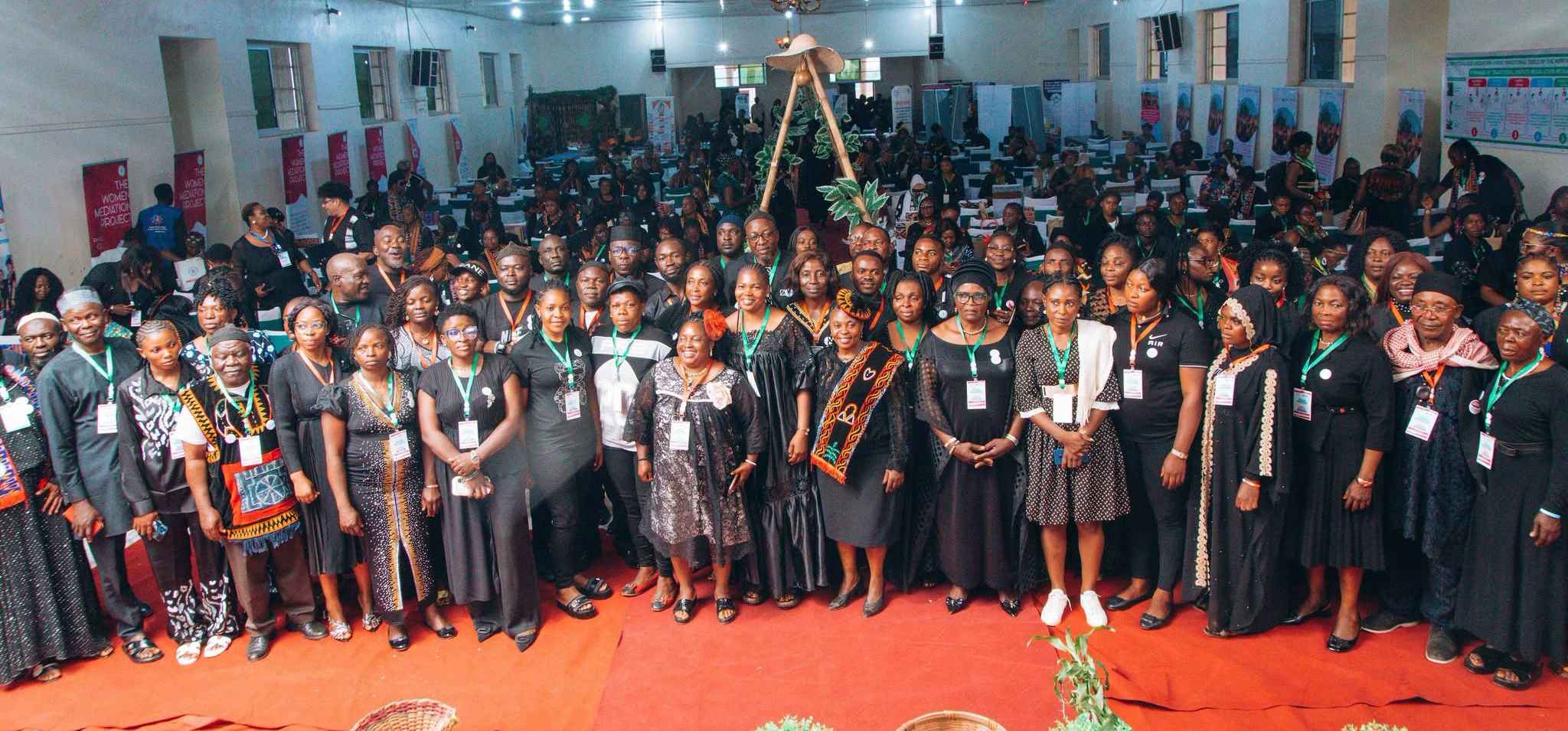
This journey was celebrated during the North West Women Mediators Summit 2026. More than a conference, the Summit was a powerful affirmation of women's indispensable contributions to peace building. It brought together women mediators from across the region to share experiences, celebrate achievements, strengthen partnerships, and renew their commitment to building peaceful communities.
One of the Summit's defining moments was the growing recognition that women are no longer viewed solely as victims of conflict but increasingly as leaders, mediators, and decision-makers whose contributions are essential to sustainable peace. The discussions reinforced the importance of advancing the Women, Peace and Security (WPS) Agenda, promoting women's meaningful participation in peace building, governance, and community development.
The Summit also highlighted an important truth: sustainable peace cannot be achieved by institutions alone. It requires collective responsibility, inclusive leadership, constructive dialogue, and meaningful collaboration among women, youth, traditional authorities, civil society organizations, government institutions, and local communities. Women have consistently demonstrated these principles through their everyday actions, often working quietly behind the scenes to prevent violence, resolve disputes, rebuild trust, and restore hope.
For many women mediators, the Summit was both affirming and motivating. It acknowledged years of often invisible service and reminded them that their contributions matter. Their commitment to resolving local conflicts, facilitating reconciliation, strengthening social cohesion, promoting healing, and fostering resilience continues to transform communities throughout the North West Region.
Perhaps the greatest lesson from the Summit is that recognition itself can be transformative. When women know their leadership is seen, valued, and supported, they are empowered to continue leading with even greater confidence. Investing in women mediators is therefore not merely an act of appreciation it is a strategic investment in stronger communities, more inclusive governance, and lasting peace.
The women of North West Cameroon have demonstrated extraordinary courage throughout years of conflict. They have shown that peace is not built only through formal negotiations or political agreements. It is also built in homes where families reconcile, in villages where dialogue replaces violence, in communities where trust is restored, and through the quiet determination of women who choose hope over despair every day. Their stories deserve to be heard. Their leadership deserves to be recognized. Their voices deserve to influence the decisions that shape the future of their communities.
As the journey toward sustainable peace continues, we must elevate the unrecognized contributions of these remarkable women, strengthen their capacities, expand opportunities for their leadership, and ensure that they occupy their rightful place in peace building and decision-making processes. Recognizing women not only as survivors of conflict but as leaders, mediators, and architects of peace strengthens the foundations of resilient communities and brings us closer to a future where peace, justice, and social cohesion are shared by all. The future of North West Cameroon depends not only on ending conflict but on recognizing, supporting, and investing in the women who have been quietly building peace all along.
- Peace & Security
- Leadership
- Education
- Gender-based Violence
- Human Rights
- Stronger Together
- Africa